



Learn how to build a cloud migration strategy with our expert cloud migration checklist. Discover steps, tools, and tips for a smooth, secure migration process.
View More
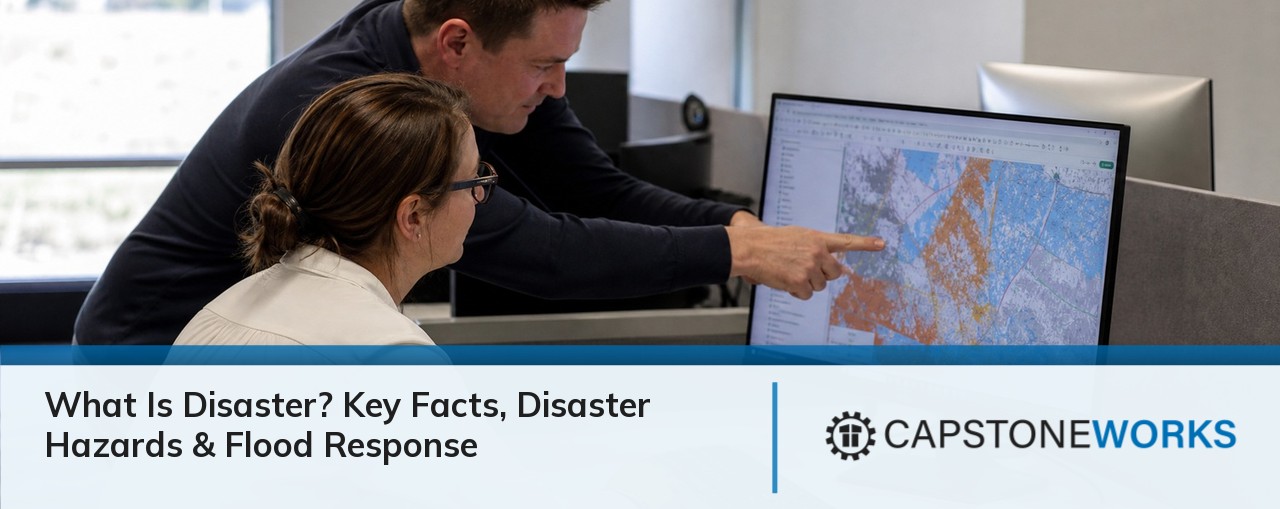
Understanding what a disaster is is crucial for any business that wants to stay operational and resilient. Disasters can strike at any time, whether it’s a natural event like a flood or a technological hazard that disrupts your systems. In this blog, you’ll learn the basics of disasters, how they impact the functioning of a community, and why preparedness and disaster recovery planning matter for your business. We’ll also cover key strategies, benefits, challenges, and practical steps you can take to protect your livelihood and reduce vulnerability to disruption.
A disaster is any sudden event that causes significant harm to people, property, or business operations. This can include natural events like earthquakes or floods, as well as emergencies caused by human error or technological failure. For businesses, understanding what a disaster is means recognizing the risks that could threaten your ability to operate and serve your customers.
Disasters don’t just cause physical damage—they can also disrupt your supply chain, impact your employees’ safety, and threaten your financial stability. That’s why it’s important to identify hazards early and have a plan in place. By focusing on preparedness, you can reduce the impact of disasters and recover faster when something goes wrong.

Even well-prepared companies can make mistakes when facing a disaster. Here are some of the most common pitfalls and why avoiding them is important for your business.
Many businesses underestimate the disaster risk in their area or industry. Failing to assess these risks can leave you vulnerable when emergencies happen. Regular risk assessments help you spot potential hazards before they cause disruption.
Without disaster recovery planning, your business may struggle to bounce back after a major event. A clear plan outlines who does what, how to restore data, and how to communicate with employees and customers.
If your team doesn’t know what to do during a disaster, even the best plans can fail. Regular training ensures everyone understands their roles and can act quickly in an emergency.
Losing important files can be devastating. Regular backups, both onsite and offsite, protect your business from data loss due to floods, power outages, or cyberattacks.
Disaster plans aren’t set-and-forget documents. As your business grows or new hazards emerge, you need to review and update your plans to stay prepared.
Clear, timely communication is essential during a disaster. Without it, confusion can spread and slow down your response, increasing the impact on your business.
Having a solid disaster management approach brings several advantages:

Identifying hazards is the first step in protecting your business from disasters. Hazards can be natural, like a cyclone or flash flood, or technological, such as IT system failures. By understanding which hazards are most likely to affect your area, you can tailor your preparedness efforts and disaster recovery planning.
A thorough hazard assessment includes looking at both the likelihood and potential impact of each threat. This helps you prioritize resources and focus on the most significant risks. For example, if your region is prone to floods, you might invest in waterproofing your facilities and backing up data off-site. By taking these steps, you reduce your vulnerability and improve your ability to recover quickly.
Planning for floods and other natural disasters requires a structured approach. Here are the key steps businesses should follow to stay ready and resilient.
Start by evaluating how exposed your business is to different types of disasters. Consider your location, building structure, and the nature of your operations. This helps you identify which hazards are most relevant.
Create a detailed plan that outlines how your business will respond to various emergencies. Include evacuation procedures, communication protocols, and roles for each team member.
Regular training helps your staff understand what to do before, during, and after a disaster. Practice drills and tabletop exercises can make sure everyone is ready to act.
Protect your equipment, inventory, and data from potential hazards. This might mean elevating electrical systems, using waterproof storage, or installing backup generators.
Work with local emergency services and community organizations. These partnerships can provide valuable resources and support during a disaster.
As your business changes, so do your risks. Make it a habit to review your emergency management plan at least once a year and after any major incident.

A disaster declaration is an official statement by government authorities that a specific area is experiencing a disaster. This declaration can unlock resources, funding, and support for affected businesses. Understanding how disaster declarations work can help you access aid and speed up your recovery.
When a disaster is declared, businesses may be eligible for loans, grants, or technical assistance. It’s important to stay informed about local and federal guidelines so you can act quickly if your area is affected. Knowing the process also helps you communicate more effectively with employees and customers during a crisis.
Strong disaster recovery planning is essential for minimizing the impact of emergencies. Here are some best practices to follow:
Following these steps helps your business recover faster and with less disruption.

Are you a business with 25-75 employees looking to improve your disaster preparedness? As your company grows, the risks and potential impacts of disasters increase. We understand the unique challenges that come with managing a larger team and more complex operations.
At Capstone Works, Inc., we help businesses like yours create reliable systems and disaster recovery plans that protect your people, assets, and reputation. Our team can guide you through every step, from risk assessment to implementation. Contact us today to learn how we can help you stay resilient and ready for anything.
Start by identifying possible hazards that could affect your operations, such as earthquakes, floods, or technological hazards. Assess your vulnerability and create a disaster recovery plan that includes roles, communication strategies, and backup procedures. Regular training and drills help your team stay prepared for emergencies and reduce the risk of disruption.
Research local disaster risk data and consult with emergency management agencies to understand which hazards are most likely in your region. Consider the functioning of a community and how past events have impacted businesses nearby. This information helps you prioritize your preparedness efforts and protect your livelihood.
If a flood is likely, move valuable equipment and documents to higher ground and shut off electrical systems if safe to do so. Flash flood warnings require immediate action, so have an evacuation plan ready and communicate clearly with employees. After the event, assess disaster impacts and begin recovery as soon as it’s safe.
A natural disaster can cause hazardous conditions, disrupt supply chains, and make it difficult for employees to get to work. The disruption can lead to financial losses and affect your ability to serve customers. Having a strong preparedness plan helps minimize these impacts and speeds up recovery.
Disaster response includes immediate actions to protect people and property, such as evacuating the building or shutting down systems. Emergency management teams coordinate efforts to restore safety and begin cleanup. A quick, organized response helps reduce vulnerability and limits long-term damage.
Monitor local news and government websites for official announcements about disaster declarations in your area. These declarations often trigger access to emergency resources and support for affected businesses. Stay informed so you can take advantage of available aid and begin your recovery process quickly.
Learn how to build a cloud migration strategy with our expert cloud migration checklist. Discover steps, tools, and tips for a smooth, secure migration process.
View More
Learn how to spot and prevent insider threat with actionable insider threat detection tips. Protect your business from risks with real-world examples and solutions.
View More


.svg)


