


Learn how to build a cloud migration strategy with our expert cloud migration checklist. Discover steps, tools, and tips for a smooth, secure migration process.
View More
What we keep hearing from businesses is that they often wait until something breaks before they look at their IT systems. This habit leads to lost time and unexpected costs. "Remote monitoring and management lets you spot issues before they become big problems." Industry research shows that most teams underestimate how often small IT problems can snowball into major disruptions.
Remote monitoring and management, or RMM, is a way to keep an eye on all your computers, servers, and devices from one place. It helps you manage updates, fix problems, and keep your systems healthy without having to be on-site. With RMM, you can automate routine tasks, reduce downtime, and make sure your business stays up and running. This is especially useful for managed service providers (MSPs) and businesses that want to centralize their IT support and improve response time for issues like patch management, remote access, and cybersecurity threats.
Remote monitoring and management is a system that allows IT teams to track, manage, and troubleshoot devices from a distance. This means you don’t have to send someone on-site every time there’s a problem. Instead, you use a management console or dashboard to see the health of your endpoints, servers, and mobile devices in real-time.
The main goal is to keep your technology running smoothly and securely. RMM software can send alerts when something goes wrong, automate software updates, and help you stay compliant with industry rules. By using a centralized management platform, you can reduce on-site visits, improve system performance, and protect against security risks. This approach is now a standard for businesses that want to unify their IT operations and avoid costly downtime.

Even with the best tools, there are some common mistakes that can hold your business back. Here are the top issues to watch out for:
Skipping regular maintenance like patch management or software updates can leave your systems exposed. These routine tasks are easy to automate with the right RMM tool, so make sure they’re not overlooked.
If your team gets too many alerts, they might start ignoring them. Set up your RMM platform to send only the most important notifications. This helps your team focus on real problems and respond faster.
Many businesses forget to include mobile devices in their RMM solution. Make sure your management software covers laptops, tablets, and phones to keep your whole network secure.
Using different tools for each device or location can create confusion. Centralized management lets you control everything from one dashboard, saving time and reducing errors.
Waiting too long to install updates can lead to security risks. Automate software updates through your RMM agent to keep your systems protected.
If your staff doesn’t know how to use the RMM software, you won’t get the full benefits. Invest time in training so everyone understands how to use the management console and respond to alerts.
Using remote monitoring and management offers several important advantages:
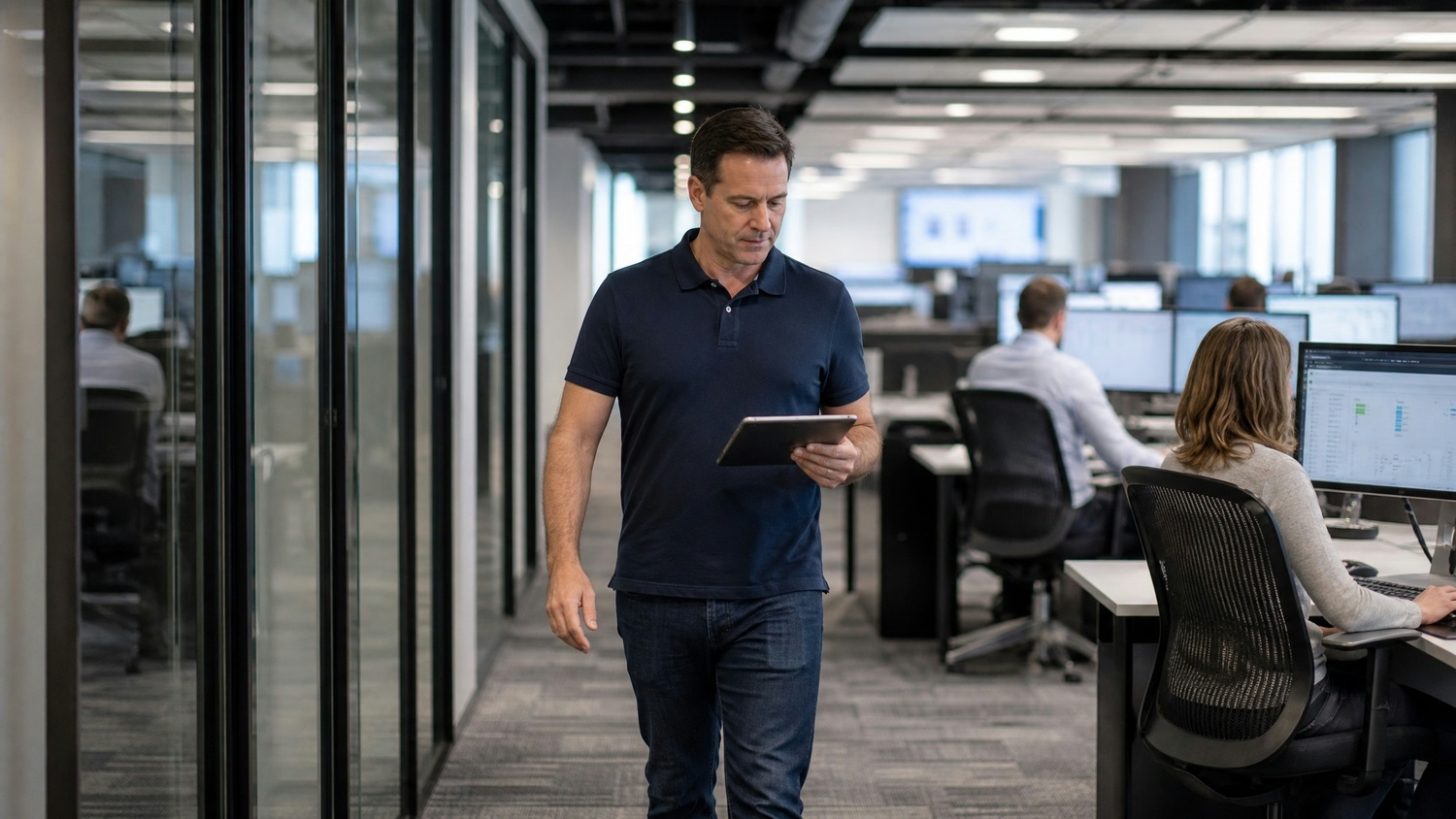
Cybersecurity is a top concern for every business. Remote monitoring and management software helps protect your systems by providing real-time visibility into your network. It can spot unusual activity, send alerts about potential threats, and automate security patches to keep your data safe.
With an RMM solution, you can also track who is accessing your systems and make sure only authorized users have remote access. This reduces the risk of data breaches and helps you stay compliant with privacy regulations. By using a unified management platform, you can quickly respond to incidents and keep your business protected around the clock.
Remote monitoring and management is used in many different ways. Here are some of the most common use cases:
Businesses with multiple offices or remote workers need to keep all their devices secure and up to date. RMM software makes it easy to manage endpoints no matter where they are.
Keeping software updated is critical for security. RMM tools can automate patch deployment, reducing the risk of vulnerabilities and saving your team time.
RMM platforms track system health and performance in real-time. This helps you spot slowdowns or failures before they impact your business.
MSPs rely on RMM solutions to deliver IT support to multiple clients. They can centralize management, automate routine tasks, and provide faster response times.
Many industries require strict compliance with data security rules. RMM software can generate reports and help you prove compliance during audits.
When problems arise, IT teams can use remote access to troubleshoot devices from anywhere. This reduces travel time and gets systems back online faster.
Getting started with remote monitoring and management doesn’t have to be complicated. First, identify which devices and systems you want to monitor—this could include servers, endpoints, and mobile devices. Next, choose an RMM platform that fits your needs and budget. Look for features like automated patch management, real-time alerts, and a user-friendly dashboard.
Once your RMM solution is in place, set up your management console and customize your alerts. Train your team on how to use the software, and create a schedule for routine tasks like software updates and system health checks. Regularly review your system performance and adjust your settings as your business grows.
To get the most out of your RMM software, keep these best practices in mind:
Following these steps will help you avoid common mistakes and make sure your business stays secure and efficient.
Are you a business with 25-75 employees looking to improve your IT management? If you’re growing and need a reliable system to keep your technology running smoothly, we can help. Our team understands the unique challenges that come with managing multiple devices and locations.
We offer remote monitoring and management solutions tailored to your needs. With Capstone Works, Inc., you get expert support, proactive monitoring, and a management platform that helps you unify your IT operations. Contact us today to see how we can help your business reduce downtime and stay secure.
Traditional IT support often relies on on-site visits and manual troubleshooting. With remote monitoring and management, you can automate many routine tasks and monitor system health in real-time. This means faster response times and fewer disruptions for your business. By using a management console, you can centralize device management and reduce the need for in-person service calls.
Management software tracks the performance of your servers and endpoints, sending alerts when something needs attention. This proactive approach allows you to fix problems before they cause major issues. By automating software updates and patch management, you can keep your systems running smoothly and avoid unexpected outages.
Remote monitoring and management software offers features like real-time monitoring, automated patch deployment, and remote access for troubleshooting. It also provides a dashboard for visibility into system performance and security risks. These features help you centralize management and improve your IT team’s efficiency.
RMM solutions let managed service providers automate routine tasks, monitor multiple clients’ systems, and respond quickly to issues. This improves service quality and helps MSPs scale their business. By using a unified management platform, MSPs can centralize operations and provide better support to their clients.
Look for an RMM tool that fits your business size, supports all your devices, and offers features like patch management and real-time alerts. Consider how easy it is to use the management console and whether it integrates with your existing systems. Make sure the tool can automate routine tasks and help you stay compliant with industry rules.
Yes, RMM software can improve your cybersecurity by monitoring for threats, automating security patches, and providing real-time alerts. It also helps you stay compliant by generating reports and tracking system health. By using a centralized management platform, you can unify your security efforts and keep your business protected.

Learn how to build a cloud migration strategy with our expert cloud migration checklist. Discover steps, tools, and tips for a smooth, secure migration process.
View More
Learn how to spot and prevent insider threat with actionable insider threat detection tips. Protect your business from risks with real-world examples and solutions.
View More


.svg)


