


Explore the benefits of IT outsourcing, including improved support coverage and access to specialized expertise, to enhance your business operations.
View More
Every business faces unexpected events that can disrupt daily operations. Having a business continuity plan is essential for protecting your company’s future. In this article, you’ll learn what a business continuity plan is, why it matters for small businesses, and how to create a plan that covers emergencies, disaster recovery, and more. We’ll also discuss key steps, benefits, challenges, and best practices to help you stay prepared for any disruption, including natural disasters, outages, and supply chain issues.
A business continuity plan is a documented strategy that helps your company continue operating during and after a major disruption. It outlines procedures for keeping critical business processes running, even if there’s a power outage, cyberattack, or natural disaster. The goal is to reduce downtime and financial losses.
For small businesses, a business continuity plan is not just about IT or backup systems. It covers all areas, from employee safety to supply chain management. By planning, you can identify potential threats, assign roles and responsibilities, and make sure everyone knows what to do in an emergency. This level of preparedness can make the difference between a quick recovery and a long, costly interruption.
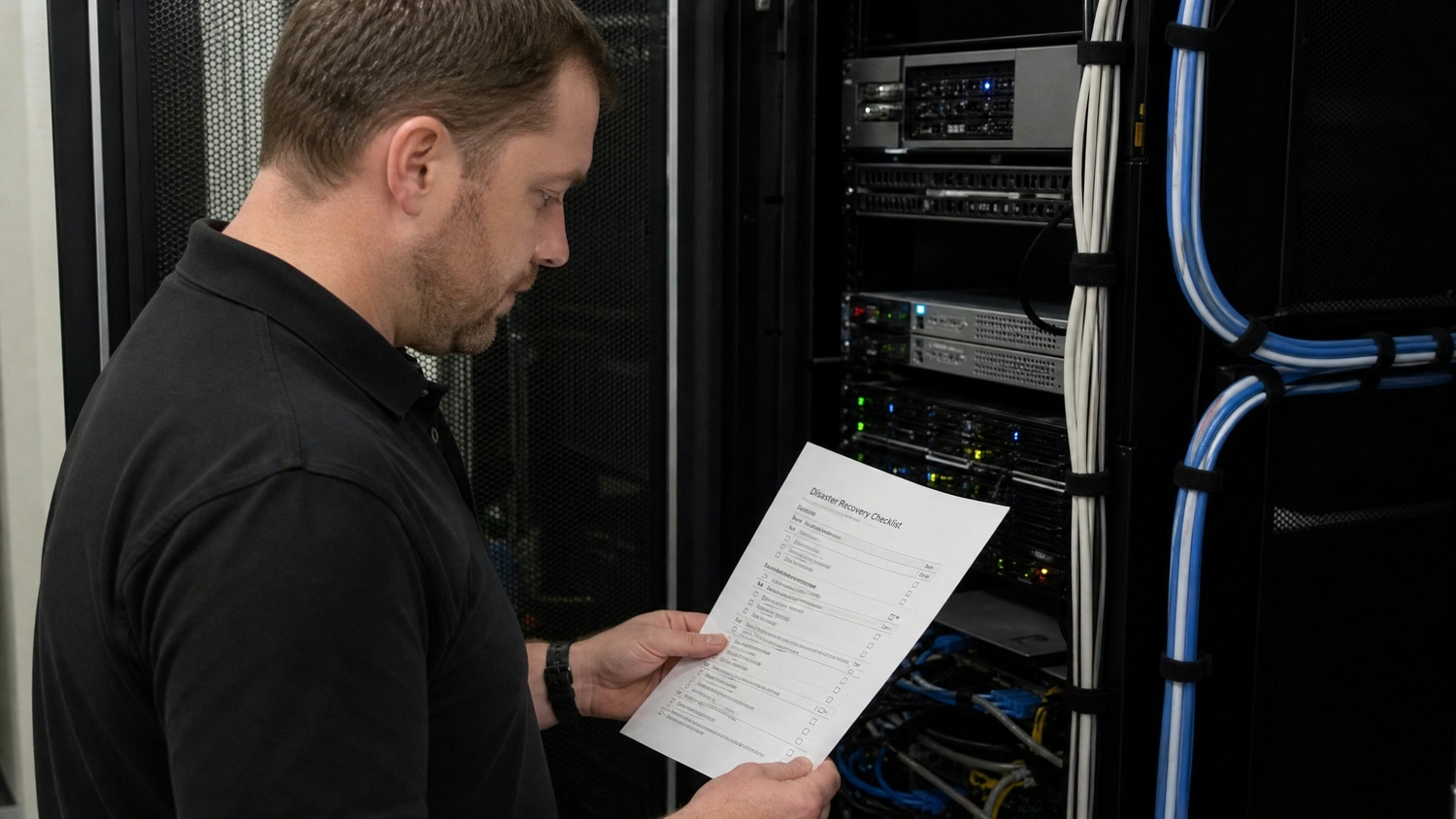
A disaster recovery plan is a vital part of your overall business continuity strategy. Here are the most important steps to get started:
Start by listing the essential business processes that must keep running, even during a disruption. This includes things like customer service, order fulfillment, and payroll. Knowing what’s critical helps you focus your recovery efforts where they matter most.
Conduct a risk assessment to find out what could go wrong. Look at natural disasters, cyberattacks, power outages, and supply chain interruptions. Understanding these risks helps you prepare for the most likely emergencies.
For each critical function, create a recovery plan. Decide how you’ll restore operations, who is responsible, and what resources you’ll need. This could include backup systems, alternate suppliers, or remote work options.
Write down every step, contact, and procedure. Make sure the plan is easy to understand and accessible to everyone who needs it. A clear document helps avoid confusion during a real emergency.
Everyone should know their responsibilities in a disaster recovery plan. Hold regular training sessions and run practice drills so your team is ready to act quickly when needed.
Don’t wait for a real emergency to find out if your plan works. Test it with simulations and update it as your business grows or changes. Regular reviews keep your plan effective.
A strong recovery plan offers several important advantages:

Small businesses often have fewer resources to recover from a major outage or disaster. That’s why a disaster recovery plan is so important. It provides a roadmap for getting back on track quickly, even if you don’t have a large IT team or extra funds.
A disaster recovery plan also helps you prioritize what needs to be fixed first. For example, restoring customer data might be more urgent than fixing a minor system. By having a clear plan, you can use your resources wisely and avoid costly mistakes. This level of preparedness can help small businesses survive challenges that might otherwise force them to close.
Implementing a business continuity plan (BCP) is more than just writing a document. Here are some proven strategies to make your plan work in real life:
Get buy-in from company leaders and department heads. Their support ensures the plan gets the attention and resources it needs. Involving key staff also helps identify gaps you might miss.
Modern information technology tools can automate backups and keep your team connected during a crisis. Set up secure cloud storage and reliable communication channels to stay in touch if your main systems go down.
Your supply chain is part of your recovery plan. Work with vendors to make sure they have their own business continuity plans. This reduces the risk of delays if they face an emergency.
A plan is only as good as the people who use it. Train your staff on emergency procedures, and make sure everyone knows how to access the plan. Regular reminders keep preparedness top of mind.
Check if your industry has specific rules for emergency planning. Meeting these standards can protect you from fines and help you qualify for insurance or contracts.
After every test or real incident, review what worked and what didn’t. Use feedback to update your plan and keep improving your emergency management process.

A reliable emergency plan should include:
Creating a business continuity plan doesn’t have to be complicated. Start by gathering a team from different departments to help identify risks and critical functions. Use a simple checklist to make sure you cover every area, from IT to customer service.
Assign clear roles and responsibilities so everyone knows what to do. Document your plan in a way that’s easy to follow, and store it in a place that’s accessible during an emergency. Finally, test your plan with practice drills and update it as your business changes. This hands-on approach helps you spot gaps and stay prepared for any situation.
Following best practices can make your emergency planning more effective:
Taking these steps helps your business stay resilient, no matter what comes your way.

Are you a business with 25-75 employees looking to protect your operations and support your growth? Growing businesses face unique risks, and having a business continuity plan can make all the difference when emergencies strike.
We understand the challenges of keeping your company running during unexpected events. Our team at Capstone Works, Inc. specializes in helping businesses like yours create, test, and maintain effective business continuity plans. Contact us today to see how we can help you stay prepared and resilient.
A business continuity plan is a detailed document that outlines how your company will continue essential business processes during a disruption. It helps you prepare for emergencies by identifying critical operations and setting up backup solutions. Having a plan in place can reduce downtime, protect your reputation, and keep your team safe.
Without a business continuity plan, small businesses are more vulnerable to risks like power outages, cyberattacks, or supply chain issues. Planning ahead ensures you can respond quickly and recover faster from unexpected events.
Disaster recovery focuses on restoring IT systems and data after an incident, while a business continuity plan covers all aspects of keeping your business running. Disaster recovery is a key part of the larger continuity strategy.
Both are important, but disaster recovery is more technical and deals with backups and restoring technology. A business continuity plan includes roles and responsibilities, communication, and procedures for every department.
A recovery plan should list your critical business functions, outline steps to restore operations, and assign specific roles to team members. It should also include contact information for key partners and emergency services.
Don’t forget to add a checklist for backup systems, communication tools, and emergency supplies. Regularly review and update your plan to keep it effective as your business grows.
It’s best to review your disaster recovery plan at least once a year or after any major change in your business. This keeps your plan current and ready for new threats.
Regular updates help you spot gaps and make sure your backup and preparedness strategies still work. Testing your plan with simulations can also reveal areas for improvement.
Involve leaders from every department, including IT, operations, and human resources, in your BCP planning and testing. This ensures all business areas are covered.
Assign clear roles and responsibilities so everyone knows what to do during an emergency. Regular training and practice drills help your team stay prepared and confident.
Start by conducting a business impact analysis to identify your most critical business processes. Next, assess potential threats like natural disasters, cyberattacks, or supply chain disruptions.
Once you know your risks, develop strategies to mitigate them and document your plan. Assign roles, set up communication channels, and test your plan regularly to keep it effective.

%2520(1).avif)
Explore the benefits of IT outsourcing, including improved support coverage and access to specialized expertise, to enhance your business operations.
View More

Discover the overlooked risks when changing top MSP companies. Understand how the transition period can impact your IT security and productivity.
View More


.svg)


