


Discover cybersecurity for manufacturing and how to address manufacturing cybersecurity threats. Learn practical steps to protect your operations and data.
View More
What we keep hearing from businesses is that they often assume their IT systems are safe just because nothing obvious has gone wrong yet. One thing that surprises a lot of teams is how many security weaknesses can go unnoticed until a vulnerability assessment brings them to light. "A vulnerability assessment is the only way to truly understand where your systems are exposed." Industry research shows that most data breaches happen because of missed vulnerabilities, not advanced hacking.
So, what is a vulnerability assessment? It’s a process that helps you identify vulnerabilities in your IT environment before attackers do. By running a scan and reviewing your configuration, you can spot misconfigurations, outdated software, or other issues that could lead to a breach. This process is a core part of vulnerability management and is essential for maintaining compliance, reducing risk, and protecting sensitive data. Let’s look at why every business should make vulnerability assessment a regular part of its cybersecurity strategy.
Vulnerability assessment is more than just running a quick scan. It’s a structured process that looks for known vulnerabilities, security weaknesses, and misconfigurations across your systems. You might use vulnerability assessment tools to check servers, workstations, web applications, and even cloud-based assets. The goal is to identify vulnerabilities before they can be exploited.
A good vulnerability assessment process includes reviewing your operating systems, applications, and network devices. It also means checking your patch management practices and making sure your vulnerability databases are up to date. By doing this regularly, you can proactively reduce your attack surface and improve your security posture. This approach helps businesses avoid unauthorized access, data breaches, and compliance issues.

Even with the best intentions, many businesses make mistakes with vulnerability assessment. Here are some of the most common issues we see and why they matter.
Some teams only run a vulnerability scan once a year or after a major incident. This leaves blind spots and increases the risk of missing new threats. Regular scanning helps you catch issues early and keep your systems secure.
Web applications are a favorite target for attackers. If you don’t include them in your vulnerability assessment, you could miss risks like cross-site scripting or misconfigurations that expose sensitive data.
Finding vulnerabilities is only half the job. You need to prioritize which issues to fix first based on risk. Otherwise, critical vulnerabilities might remain unpatched while less important ones get attention.
No single tool catches everything. Using multiple vulnerability assessment tools and cross-checking results helps reduce false positives and gives you better visibility into your security weaknesses.
Misconfigurations are a leading cause of breaches. Make sure your vulnerability assessment process checks for insecure settings, unnecessary services, and other configuration problems.
Many industries have strict compliance rules for cybersecurity. Skipping required vulnerability assessments or not documenting your process can lead to fines or legal trouble.
Making vulnerability assessment a routine part of your IT management brings several important benefits:
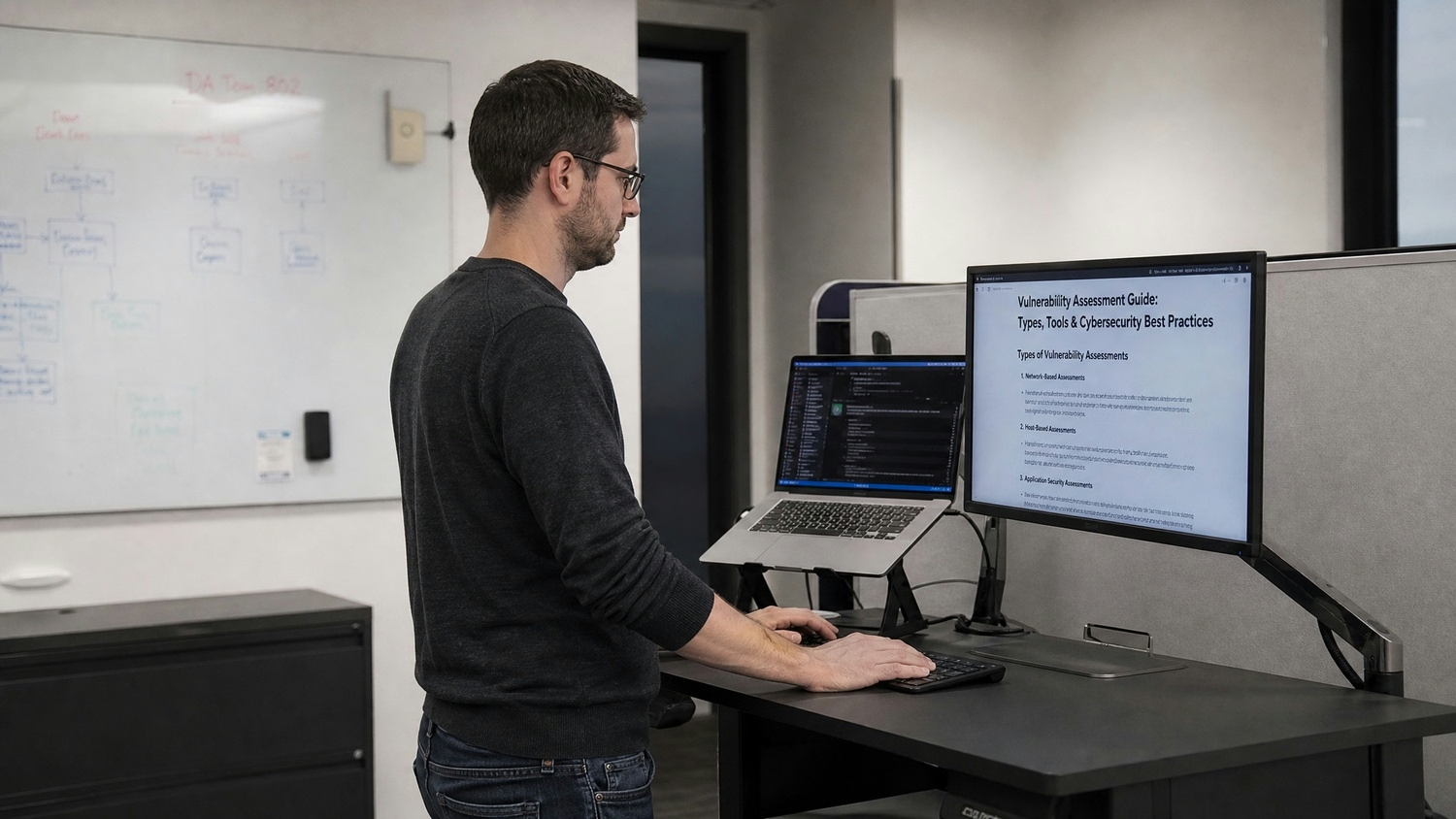
Vulnerability assessment is a key part of risk management for any business. By identifying vulnerabilities, you can understand which assets are most at risk and take steps to protect them. This process helps you prioritize your security efforts and use your resources where they matter most.
A thorough vulnerability assessment also supports your compliance efforts. Many regulations require regular vulnerability scanning and documentation of your remediation steps. By following a structured vulnerability assessment process, you can show auditors that you are taking cybersecurity seriously and protecting sensitive data. This reduces your risk of fines, lawsuits, and reputational damage.
There are several types of vulnerability assessments, each designed to address different parts of your IT environment. Here’s a closer look at the main categories and what they involve.
This type focuses on your network infrastructure, including routers, switches, and firewalls. It helps identify vulnerabilities that could allow attackers to move laterally or access sensitive systems.
Web applications are often exposed to the internet and can be a major target for exploits. This assessment checks for issues like cross-site scripting, SQL injection, and insecure authentication.
Wireless networks can introduce unique risks. This assessment looks for weak encryption, unauthorized access points, and other vulnerabilities that could let attackers connect to your network.
This approach examines individual servers and workstations for known vulnerabilities, outdated software, and misconfigurations. It’s essential for ensuring each device is secure.
Databases store sensitive data and are a top target for attackers. This assessment checks for weak passwords, insecure configurations, and missing patches.
As more businesses move to the cloud, it’s important to assess cloud infrastructure for vulnerabilities. This includes checking access controls, storage settings, and third-party integrations.

Getting started with vulnerability assessment doesn’t have to be complicated. First, choose the right vulnerability assessment tools for your environment. Make sure they can scan all your critical assets, including servers, workstations, web applications, and cloud services.
Next, set a regular schedule for vulnerability scanning—monthly or quarterly is a good starting point for most businesses. After each scan, review the results, prioritize vulnerabilities based on risk, and create a remediation plan. Don’t forget to document your process for compliance purposes and update your vulnerability databases to stay current with new threats.
Involve your IT team and key stakeholders in the vulnerability assessment process. This helps ensure that vulnerabilities are addressed quickly and that your security controls are always improving.
Following these best practices can help you get the most out of your vulnerability assessment efforts:
Consistent application of these practices helps protect your business and keeps your systems secure.

Are you a business with 25-75 employees looking to strengthen your cybersecurity? Growing businesses often face new risks as they add more users, devices, and cloud services. Our team understands the unique challenges you face and can help you build a reliable vulnerability assessment process tailored to your needs.
We know that identifying vulnerabilities, managing compliance, and keeping up with new threats can be overwhelming. Capstone Works, Inc. offers expert guidance, modern vulnerability assessment tools, and ongoing support to help you protect your sensitive data and maintain a strong security posture. Contact us today to get started.
A vulnerability assessment is a process that helps you identify vulnerabilities and security weaknesses in your IT systems. By running regular scans, you can proactively spot issues before they lead to a breach or data loss.
This process improves your visibility into potential threats and supports your risk management efforts. It’s essential for maintaining compliance and protecting sensitive data from unauthorized access.
Vulnerability assessment tools are designed to scan your systems and identify known vulnerabilities, misconfigurations, and outdated software. They provide a broad overview of your security posture and help you prioritize remediation efforts.
Penetration testing, on the other hand, simulates real-world attacks to see how your defenses hold up. It’s more targeted and often follows a vulnerability assessment to test specific weaknesses.
There are several types of vulnerability assessments, including network, web application, host-based, and cloud-based assessments. Each type focuses on different parts of your IT environment and addresses unique risks.
Choosing the right mix depends on your business needs, compliance requirements, and the types of assets you want to protect. Regularly reviewing your assessment strategy helps ensure you cover all critical areas.
Vulnerability management is an ongoing process that includes identifying vulnerabilities, prioritizing them, and tracking remediation. It’s a key part of any cybersecurity strategy and helps reduce your attack surface.
By integrating vulnerability management with your other security controls, you can respond to new threats quickly and maintain a strong security posture over time.
Continuous vulnerability assessment can be challenging due to the volume of alerts, false positives, and the need for up-to-date vulnerability databases. It requires dedicated resources and regular tuning of your tools.
Staying current with new threats and ensuring your team is trained to respond quickly are essential for success. Automating parts of the process can help reduce blind spots and improve efficiency.
When selecting vulnerability assessment tools, look for features like comprehensive scanning, easy integration with your existing systems, and strong reporting capabilities. Consider tools that support cloud-based environments and can identify vulnerabilities in both servers and workstations.
It’s also important to choose tools that are regularly updated with new threat intelligence and can help you stay compliant with industry regulations. Testing different options and seeking expert advice can help you make the right choice.


Discover cybersecurity for manufacturing and how to address manufacturing cybersecurity threats. Learn practical steps to protect your operations and data.
View More
Learn about remote monitoring and management, RMM meaning, and how the right solution boosts security, reduces downtime, and streamlines IT for your business.
View More


.svg)


